
min. 99.6% sodium bicarbonate, sodium hydrogen carbonate, powder, NaHCO3, CAS No.: 144-55-8
€4.76
Available, delivery time: 2-5 days
Product information "min. 99.6% sodium bicarbonate, sodium hydrogen carbonate, powder, NaHCO3, CAS No.: 144-55-8"
Sodium bicarbonate, also known as baking powder, baking soda or sodium bicarbonate, is a chemical compound made up of the elements sodium, hydrogen, carbon and oxygen. The chemical formula of sodium bicarbonate is NaHCO3.
This compound is in the form of white crystalline powders or fine-grained solids that are soluble in water. Sodium bicarbonate is widely used in many areas and has various applications:
Baking: Sodium bicarbonate is used as a leavening agent in the food industry and home baking. It releases carbon dioxide when it comes into contact with acid, such as acetic acid or citric acid. This released gas causes dough to rise and become airy.
Acid-base balance: Sodium bicarbonate is a mild base and can be used to neutralize acid in the body. For this reason, it is sometimes taken as a heartburn remedy.
Fire extinguishers: Some fire extinguishers contain sodium bicarbonate. When heated, it releases carbon dioxide, which reduces oxygen levels near the fire and can thereby smother the fire.
Cleaning agent: Sodium bicarbonate is often used as an environmentally friendly cleaning agent. It can help absorb odors and clean surfaces, especially in kitchens and bathrooms.
Medical Uses: In medicine, sodium bicarbonate is sometimes used as a component of electrolyte solutions and can be used to treat acid-base imbalances in certain medical conditions.
| Also known as: | Baking soda ,Sodium bicarbonate, Natriumbikarbonat, Speisesoda, doppelkohlensaures Natron, Backnatron, E500 |
|---|---|
| CAS-Nr.: | 144-55-8 |
| Color: | Weiß |
| Produktcharakter: | feines Pulver |
| Stoffgruppe: | Carbonate |
| kind of product: | chemical |
| material: | Natriumbicarbonat |
| purity: | min. 99,5 % |
| zur GPSR-Informationspflicht: | Hersteller + Verantwortliche Person: Werth-Metall, Ringstr. 41b, 99428 Grammetal, info@werth-metall.de |
Login
Passend dazu:

Producing pure calcium carbonate requires specialized equipment and knowledge to ensure the final product is of the highest quality. The process includes the crushing of calcium carbonate rock, the removal of impurities and the fine grinding of the pure calcium carbonate powder. This process ensures that the calcium carbonate has the correct properties for the specific application and can be used in many different industries. Pure It is also used as a raw material for the production of burnt lime, cement and other building materials, and in agriculture as a soil improver. Specificationscolor shade L: 71.0-77.0 color shade a: -2.5 to +0.7 hue hue b: 9.0-15.0Loss on drying (200°C, 4h): max. 2.0%Acid-insoluble components: max. 0.2 %
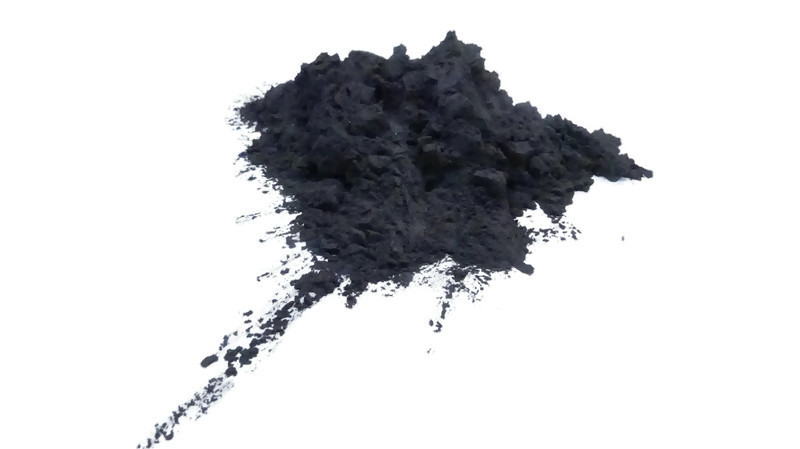
Boron carbide (also known as black diamond) is, like our silicon carbide and silicon nitride, an exceptionally hard and therefore wear-resistant material. This has made it the material of choice for nozzle materials, baffle plates (jet mills), ballistic protection elements, cutting tools, and grinding, polishing, or lapping powders. More recent applications have emerged in foundry technology (cost-effective supply of boron), rocket fuels, and semiconductor technology. We supply common fractions. Should you still find anything missing, please feel free to contact us. Chemical/Physical Specifications Color: Black Formula: B4C B + C: min. 95.0% B: min. 77.0% C: max. 18.0% B2O3: 1.0% Fe: max. 0.5% Knoop Hardness: 3000 Mohs Hardness: < 9.5 (for comparison: Mohs hardness of diamond: 10) Specific gravity: 2.51 g/cm³ Melting point: 1495 °C Crystal structure: monocrystalline
Content: 0.05 Kilogramm (€190.40 / 1 Kilogramm)

Hexagonal boron nitride, or h-BN for short, is a high-performance inorganic material made of boron and nitrogen. The material has a characteristic hexagonal crystal structure and, due to its white appearance and layered structure, is often referred to as white graphite. Like graphite, hexagonal boron nitride exhibits excellent lubricity and can be used as a functional material in many technical applications. A significant advantage of h-BN is its high thermal and chemical stability. The material is suitable for applications at high temperatures and under demanding environmental conditions. Furthermore, hexagonal boron nitride is characterized by low wettability with many melts, good thermal shock resistance, and excellent electrical insulation properties. Depending on its purity, grain size, and processing form, h-BN can be used as a powder, coating, molded body, or component of ceramic materials. General Applications of Hexagonal Boron Nitride Due to its versatile properties, hexagonal boron nitride is used in numerous industries. In the aerospace industry, h-BN is used, among other things, as a temperature-resistant material and for thermal and electrical insulation. Hexagonal boron nitride also plays an important role in the electronics industry because it can dissipate heat while simultaneously acting as an electrical insulator. This makes the material suitable, for example, for thermally stressed insulation components and applications in modern semiconductor technologies. In the ceramics industry, h-BN is used to produce high-performance ceramics, refractory materials, and temperature-resistant components. Its low wettability to molten glass and metal also makes hexagonal boron nitride a suitable high-temperature mold release agent. It is used, for example, in the casting and processing of glass, as well as in other thermal manufacturing processes. h-BN offers a practical alternative for applications where a clean separation between the workpiece and the mold is required. The properties of platinum cannot, of course, be fully achieved. Hexagonal boron nitride in nanotechnology and semiconductor technology Hexagonal boron nitride is also used in nanotechnology and in the development of modern semiconductor devices. Its electrical insulation, thermal stability, and layered material structure make h-BN interesting for various research and industrial applications. Particularly with suitable material quality, hexagonal boron nitride can be used as a component of coatings, insulating layers, and special ceramic composites. In particularly pure and appropriately tested quality, h-BN can also be of interest for biomedical applications. However, suitability for implants, prostheses, or other medical products always depends on the specific purity, processing, material quality, and approval. The hexagonal boron nitride we supply is of technical grade and is therefore primarily intended for industrial, technical, and commercial applications. Technical Boron Nitride for Demanding Applications Our hexagonal boron nitride (h-BN) is suitable for numerous applications where a combination of temperature resistance, electrical insulation, chemical stability, and good release properties is required. Whether as a raw material for ceramic products, as a component of technical coatings, as a high-temperature mold release agent, or for applications in the electronics and semiconductor industries – h-BN is a versatile material for demanding industrial processes.
Content: 0.1 Kilogramm (€990.00 / 1 Kilogramm)

Zinc oxide can be used as a pigment, release agent, semiconductor, absorber or smoke generator, among other applications. This grade corresponds to the WHITE SEAL, i.e. the highest quality for zinc oxides. DESIGNATIONZinc oxide, White SealFORMULAZnOAPPEARANCEfine white powderSieve residue at 45µm< 0.01 %Puritymin. 99.70%Pbmax. 50 ppm(M)Cdmax. 30 ppm(M)Cumax. 10 ppm(M)Mnmax. 10 ppm(M)CAS NO.1314-13-2 Specific surface area: 3.5 - 5.5 m²/gAverage particle size: 500 nanometers (0.5 µm) Signal word: Warning! Hazard statements H410 Very toxic to aquatic life with long-lasting effects. Precautionary statements P273 Avoid release to the environment.P391 Collect spillage.P501 Dispose of contents/container in accordance with local/regional/national/international disposal regulations. Safety Data Sheet Zinc Oxide
Content: 0.5 Kilogramm (€43.80 / 1 Kilogramm)

Greek Hazelnut Charcoal from Hazelnut Shells Greek hazelnut charcoal is produced by controlled carbonization (pyrolysis) of hazelnut shells and represents a high-quality biogenic carbon product. The feedstock consists exclusively of natural by-products from hazelnut processing, enabling resource-efficient and sustainable utilization of agricultural residues. The thermochemical conversion process yields a charcoal with high structural stability, an increased fixed-carbon content, and low porosity compared to conventional wood charcoal. This results in uniform energy release, low emissions of volatile components, and reduced ash formation. Technical Data (typical guideline values) Parameter Value Fixed carbon 75 – 85 % Volatile matter 10 – 18 % Ash content 2 – 5 % Moisture content < 5 % Calorific value approx. 28 – 31 MJ/kg Bulk density 450 – 600 kg/m³ Particle size 10 – 50 mm Note: Values may vary depending on the production batch. Comparison with Coconut Charcoal Coconut charcoal typically exhibits higher density and lower porosity, which can lead to an especially long service life in thermal applications. Hazelnut charcoal has a slightly more open structure, enabling faster heat release while maintaining stable reactivity. Both products are considered environmentally friendly alternatives to fossil energy carriers or conventional wood charcoal, as they are based on agricultural by-products and do not require additional deforestation. Hazelnut charcoal may offer potentially shorter transport routes, particularly within Mediterranean regions. Both charcoal types are within a comparable energy range. Coconut charcoal often achieves slightly higher calorific values, whereas hazelnut charcoal, depending on the production process, can be characterized by low ash content and uniform energy output.
Content: 0.5 Kilogramm (€15.00 / 1 Kilogramm)

White dextrin is a modified starch derivative obtained through a controlled, particularly gentle degradation process of starch. In contrast to yellow dextrin, it is produced at lower temperatures and with shorter reaction times. The result: a light white to slightly cream-colored powder with a low degree of degradation, longer molecular chains, and a neutral odor and taste profile. This gentle processing method makes white dextrin one of the most versatile plant-based binders available. It combines high binding strength with pronounced film formation and significantly higher solution viscosity compared to more degraded dextrins. Where an adhesive requires stability and adhesion, where a coating needs to apply evenly, or where a carrier substance must remain neutral in taste, white dextrin is the proven choice. Your benefits at a glance High binding strength – reliable adhesion on paper, cardboard, textiles, and mineral substrates Excellent film formation – smooth, uniform, and flexible films High solution viscosity – ideal for stable pastes and coatings Neutral in color, odor, and taste – no undesirable influence on the final product Low hygroscopicity – good storage stability, minimal tendency to clump Very low acid number – minimal corrosion tendency in equipment, high product stability Plant-based raw material – renewable and biodegradable Technical specifications Parameter Value Dry matter content min. 97.0% Acidity approx. 0.1 mL NaOH/100 g Solubility at 18.5 °C 55 – 75 Brookfield viscosity 16 – 90 mPa·s Appearance fine white to slightly cream-colored powder Base Potato starch The exceptionally low acidity of approximately 0.1 mL NaOH/100 g demonstrates careful process control with complete neutralization. Free acid residues that could lead to discoloration, odor formation, taste impairment, or corrosion in processing equipment are virtually absent. Application areas Adhesive industry Envelope and label adhesives, corrugated cardboard and tube adhesives, paper sack sealing. The high viscosity and controlled, slower dissolution ensure stable adhesives with clean application properties. Paper and cardboard processing Surface sizing, coating colors, and coatings. The light natural color preserves the paper's whiteness. Textile industry Sizing agents for yarns and fabrics to improve weavability and reduce thread breakage. Construction chemistry and foundry Additive in mortar and gypsum systems as well as binder component in molding materials. Food and pharmaceutical applications Binding, thickening, and filling agents, as well as tablet binders and carriers. Neutral taste, light color, and very low acidity are crucial quality features in these applications. Please note: Suitability for food or pharmaceutical applications must be verified based on the respective valid batch specification and applicable legal requirements. Processing instructions Due to its longer molecular chains and higher residual crystallinity, white dextrin has lower solubility in cold water compared to yellow dextrin. For complete, lump-free dissolution, the following is recommended: Slowly sprinkle the powder into cold water while stirring (do not do the reverse) Heat the mixture to 50 – 70 °C and continue stirring until the solution is clear and uniform Alternatively, allow for longer soaking and soaking times After cooling, the viscosity increases – adjust the solids content accordingly to achieve the target viscosity Storage Store in a dry, cool place, protected from moisture, in tightly sealed containers. Frequently asked questions What is the difference between white and yellow dextrin? White dextrin is produced at lower temperatures and with shorter reaction times. This results in longer molecular chains, a lighter color, neutral taste, and higher solution viscosity. Yellow dextrin ("British Gum") is more extensively degraded, has a yellow to brown color, and dissolves more quickly in cold water – but with significantly lower solution viscosity. Why does white dextrin not dissolve completely in cold water? Due to the gentle degradation process, longer molecular chains and a higher proportion of partially crystalline structure remain. Additionally, fewer hydrophilic end groups are formed. Heating to 50 – 70 °C reliably dissolves the product. Is white dextrin the same as starch? No. Starch is the raw material. White dextrin is derived from it through targeted thermal or hydrolytic degradation, resulting in fundamentally different solubility, viscosity, and binding properties. What does the low acid value of 0.1 mL NaOH/100 g mean? The value indicates that virtually no free acid residues remain in the product. This means high stability, neutral taste, no tendency to discoloration, and no risk of corrosion to your equipment. What is white dextrin most commonly used for? The largest application area is adhesives based on paper and cardboard. It is also established in paper coating, textile sizing, construction chemistry, and as a binding and filling agent in food and pharmaceutical products. How can I achieve a lump-free solution? Always sprinkle the powder into cold water and then heat it. If the powder is added to already hot water, the surface of the particles will gelatinize and trap dry material inside. Is the product biodegradable? Yes. White dextrin is entirely based on plant-based starch and is biodegradable. What are the technical specifications of this white dextrin? The dry matter content is at least 97.0%. The acidity is approximately 0.1 mL NaOH/100 g. The solubility at 18.5 °C is in the range of 55 – 75. The Brookfield viscosity is 16 – 90 mPa·s. How should white dextrin be stored? Store in a dry, cool place, protected from moisture, in tightly sealed containers. Due to its low hygroscopicity, storage stability is good, and the tendency to clump is low. Is white dextrin suitable for food or pharmaceutical applications? White dextrin is used in these areas as a binding, thickening, and filling agent, as well as a tablet binder and carrier. However, its suitability must always be verified based on the valid batch specification and applicable legal requirements. The product on this page is of technical quality.
Content: 0.5 Kilogramm (€21.42 / 1 Kilogramm)
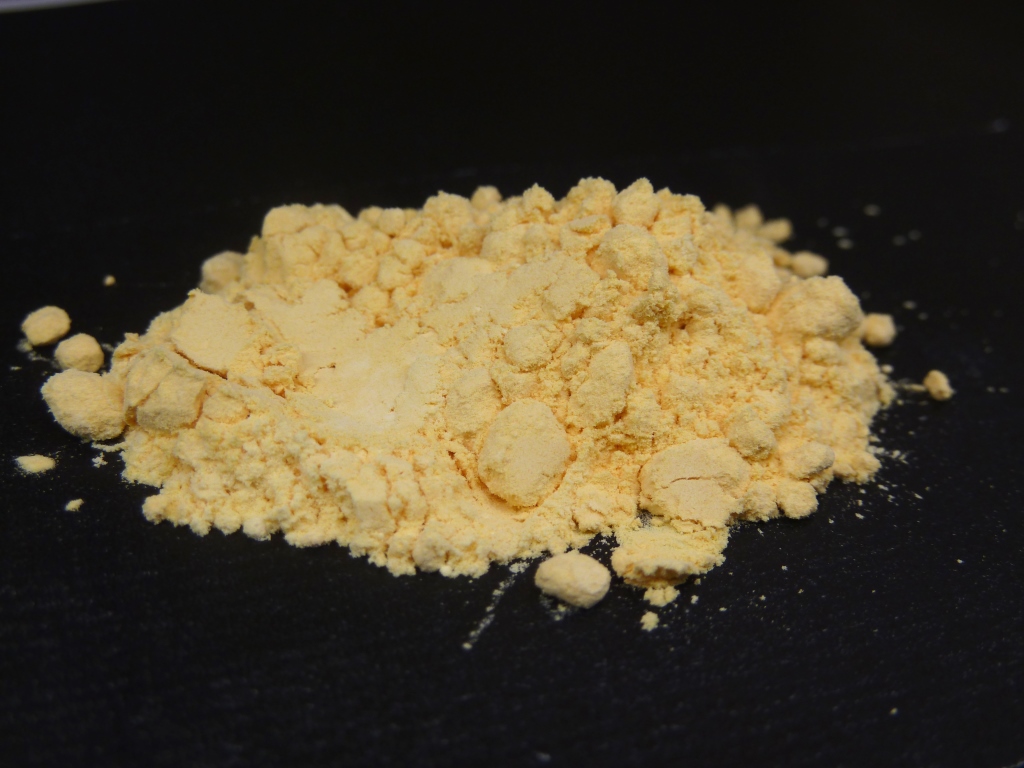
ThisDextrin (canary dextrin) will be outCornstarchwon. The starch is mixed with steam or catalytically active acid under increased temperature and pressure. This converts the otherwise insoluble starch into awater soluble product, which mainly asbinderapplies. A commonly known use is thisWet adhesive coating (also called gumming) of postage stamps and kraft paper tapes. However, it is also used as a food additive or as a binding agent in pharmaceuticals. The material isvery soluble in waterand binds even at low moisture levels. There are now many dextrin-based artists' colors on the market (mixture of dextrin and pigment, as well as water). Product dataCAS No.: 9004-53-9 Average particle size: 17.50 µmHumidity: max. 10% [MCL 002B]pH value: 2.5 - 4.0 [20% solution]RVA viscosity: 960-2040 mPa*s [MCL 106T]Insoluble components: max. 2% [MCL 340A]Reduced sugar: max. 4.2% [MCL 050A]Bulk density: approx. 0.55 kg/dm³ [MCL 095A]
Content: 0.5 Kilogramm (€21.42 / 1 Kilogramm)
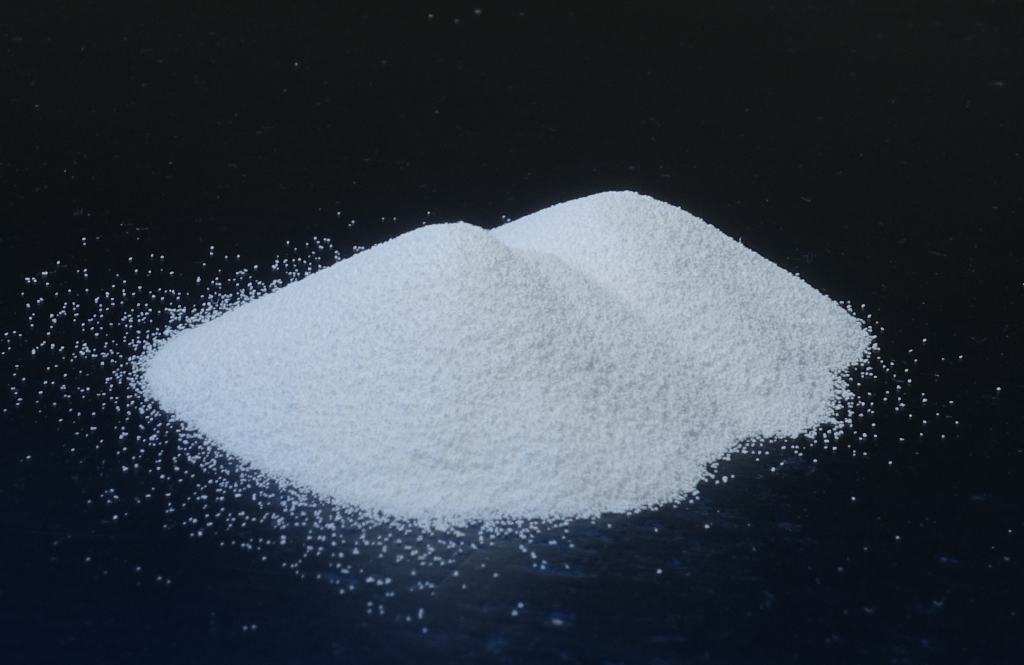
The chlorinated one we supply PVC powderis suitable for different applications. Among other things, it is used in: Filler in paints/varnisheschemical auxiliary substance (chlorine donor in thermal reactions)Injection molded componentsThe powder is white, amorphous and odorless.
Content: 0.5 Kilogramm (€15.70 / 1 Kilogramm)

Flame sootorCarbon Black / Carbon Black / Lamp Black is produced by burning hydrocarbons with reduced oxygen supply. The flame black powder we offer is typically nanoscale. Among other things, it is also suitable as an extremely opaque black pigment. This is a prilled version. This means that significantly less dust is created during handling and the material is easier to dose andIn addition, the environmental impact is significantly reduced.Possible applications: Additive in polymers Conductive paints (ESD applications) Polymer-based energy storage Black pigment (e.g. toner) Flame retardant coatings and much more. Chemical/physical examination: Average particle size: 95nm (0.095µm) - based on primary particlesResidue on 45µm sieve: 4ppm Toluene extractable components (DIN 53553): 0.010% CAS No.: 1333-86-4 Variety: 101 Carbon min.: 99.9% Opacity (ISO 787/16 & 24): 26.0% (ITRB) Blackness (DIN 55979): 210 PH value: 7.5 Tamping density: 260 g/l Dibutyl phthalate absorption: 0.118 dm³/100g
Content: 0.5 Kilogramm (€21.66 / 1 Kilogramm)

Flame sootorCarbon Black / Carbon Black / Lamp Black is produced by burning hydrocarbons with reduced oxygen supply. The flame black powder we offer is typically nanoscale. Among other things, it is also suitable as an extremely opaque black pigment. Possible applications: Additive in polymers Conductive paints (ESD applications) Polymer-based energy storage Black pigment (e.g. toner) Flame retardant coatings and much more. Chemical/physical examination: Average particle size: 95nm (0.095µm) - based on primary particlesResidue on 45µm sieve: 4ppm Toluene extractable components (DIN 53553): 0.010% CAS No.: 1333-86-4 Variety: 101 Carbon min.: 99.9% Opacity (ISO 787/16 & 24): 26.0% (ITRB) Blackness (DIN 55979): 210 PH value: 7.5 Tamping density: 260 g/l Dibutyl phthalate absorption: 0.118 dm³/100g" ThisDextrin (canary dextrin) will be outCornstarchwon. The starch is mixed with steam or catalytically active acid under increased temperature and pressure. This converts the otherwise insoluble starch into awater soluble product, which mainly asbinderapplies. A commonly known use is thisWet adhesive coating (also called gumming) of postage stamps and kraft paper tapes. However, it is also used as a food additive or as a binding agent in pharmaceuticals. The material isvery soluble in waterand binds even at low moisture levels. There are now many dextrin-based artists' colors on the market (mixture of dextrin and pigment, as well as water). Product dataCAS No.: 9004-53-9 Average particle size: 17.50 µmHumidity: max. 10% [MCL 002B]pH value: 2.5 - 4.0 [20% solution]RVA viscosity: 960-2040 mPa*s [MCL 106T]Insoluble components: max. 2% [MCL 340A]Reduced sugar: max. 4.2% [MCL 050A]Bulk density: approx. 0.55 kg/dm³ [MCL 095A]
Content: 0.5 Kilogramm (€21.66 / 1 Kilogramm)

The one we deliverGum Accroides (Red Gum)isfinely groundand of high quality. It iseasily soluble in alcohol, but very resistant to cellulose nitrate or acetate and is ideal as anatural binding agent. The material was additionally processed using wet steamcleaned, which ensures a higher degree of purity compared to mere air filtration. It has an aromatic, benzene-like smell, which is due to the benzoic acid contained in the product. Chemical/physical specifications: Accroides: > 88.00% CAS No.: 9000-20-8Density: 0.7-0.74 g/cm³Humidity: < 5.0%Water-soluble components: < 10% Total ash content: < 2.0% of which HCL-insoluble < 1.0%
Content: 0.5 Kilogramm (€45.22 / 1 Kilogramm)

Formula: C Source wood type: chestnutCAS No.: 7440-44-0 Carbon: 82 - 85%Bulk density: 0.28 - 0.35 g/cm³Fraction: 200-500 µmColor: BlackTypical chemical test values Heavy metals and dioxins Value [mg/kg] As < 2.00 Pb < 10.00 Ed < 0.10 CD < 1.0 Dioxins (PCDD + PCDF) <0.50 ng/kg
Content: 0.5 Kilogramm (€15.00 / 1 Kilogramm)

Formula: C Source wood type: birchCAS No.: 7440-44-0 Humidity: < 2.0% Ash: <2.0%Sieve passage: 100 µm (min. 90%)Color: Black
Content: 0.5 Kilogramm (€20.24 / 1 Kilogramm)
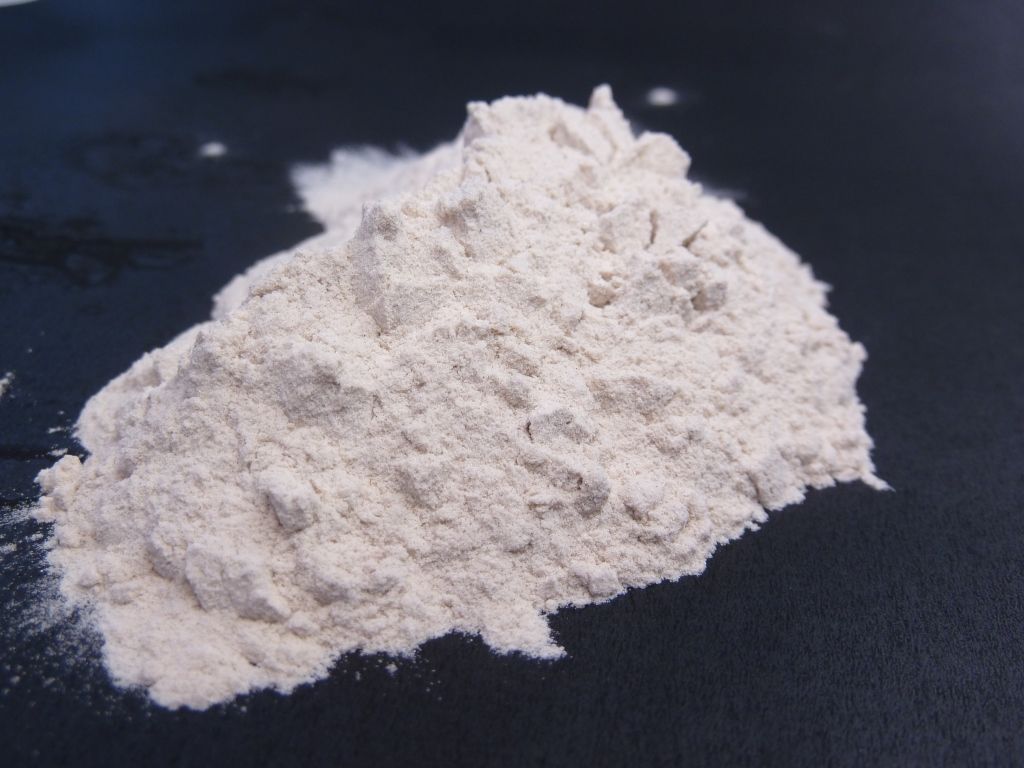
Gum Arabicis aNatural productwith many useful properties. It just shows a lotlow ash valuesand is one of the oldest known binding agents and is already mentioned in the Bible. Whether in cosmetics, food, rubber processing - it still has a variety of applications everywhere today. The product isground until fine as dustand has a slight pink color. It is obtained from acacia trees.Product dataCAS No.: 9000-01-5 alcohol soluble: nowater soluble: yes Drying loss: 8.3% (as delivered)Ash (C): 2.9% Granulometry: [d90 100µm]; [d50 63µm]; [d10 10µm]
Content: 0.5 Kilogramm (€21.42 / 1 Kilogramm)
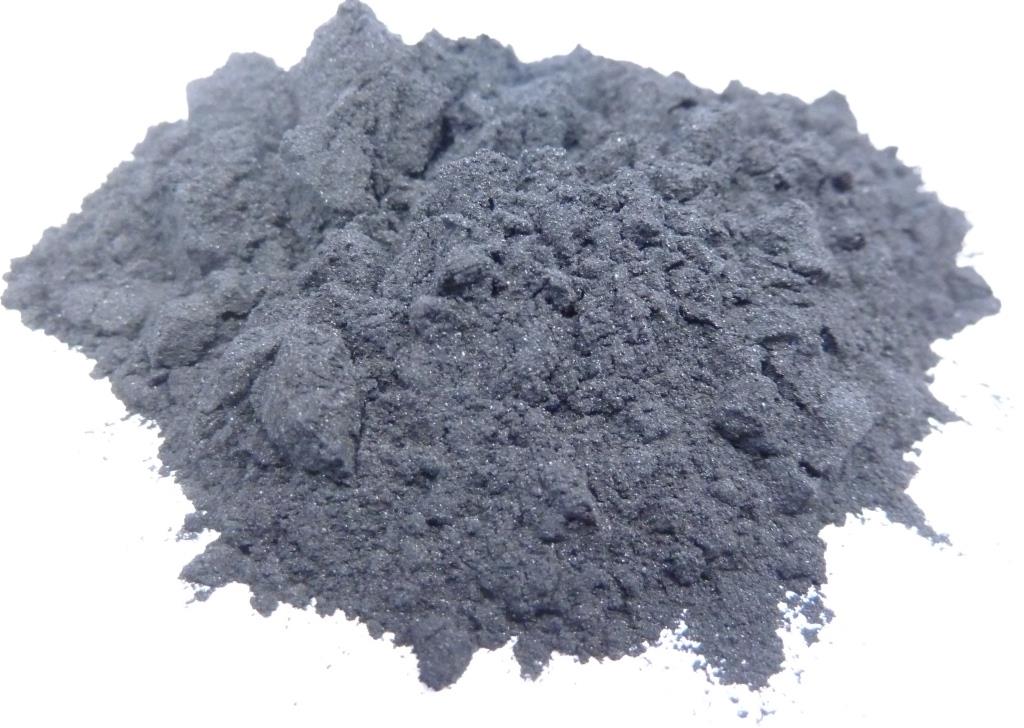
Formula: C Source wood type: juniperCAS No.: 7440-44-0 Humidity: < 2.0% Ash: <2.0%Sieve passage: 125 µm (min. 90%)Color: Black
Content: 0.5 Kilogramm (€15.00 / 1 Kilogramm)
Formula: C Source wood type: chestnutCAS No.: 7440-44-0 Carbon: 82 - 85%Bulk density: 0.28 - 0.35 g/cm³Sieve passage: µmColor: BlackTypical chemical test values Heavy metals and dioxins Value [mg/kg] As < 2.00 Pb < 10.00 Ed < 0.10 CD < 1.0 Dioxins (PCDD + PCDF) <0.50 ng/kg
Content: 0.5 Kilogramm (€15.00 / 1 Kilogramm)
Zinc oxide can be used, among other things, as a pigment, release agent, semiconductor, absorber or smoke generator. DESIGNATIONZinc oxide, Green SealFORMULAZnOLOOKfine white powderSieve residue to 45µm<0.01%purityat least 99.60%Pb<0.20%FE<0.01%Cu<0.001%MnSenseCAS NO.1314-13-2 Specific surface area: 3.5 - 5.5 m²/g Signal word:Danger!Danger warnings H410 Very toxic to aquatic life with long lasting effects. Safety instructionsP273 Avoid release to the environment.P391 Collect spills.P501 Dispose of contents/container in accordance with local/regional/national/international regulations. Safety data sheet zinc oxide
Content: 0.5 Kilogramm (€23.80 / 1 Kilogramm)
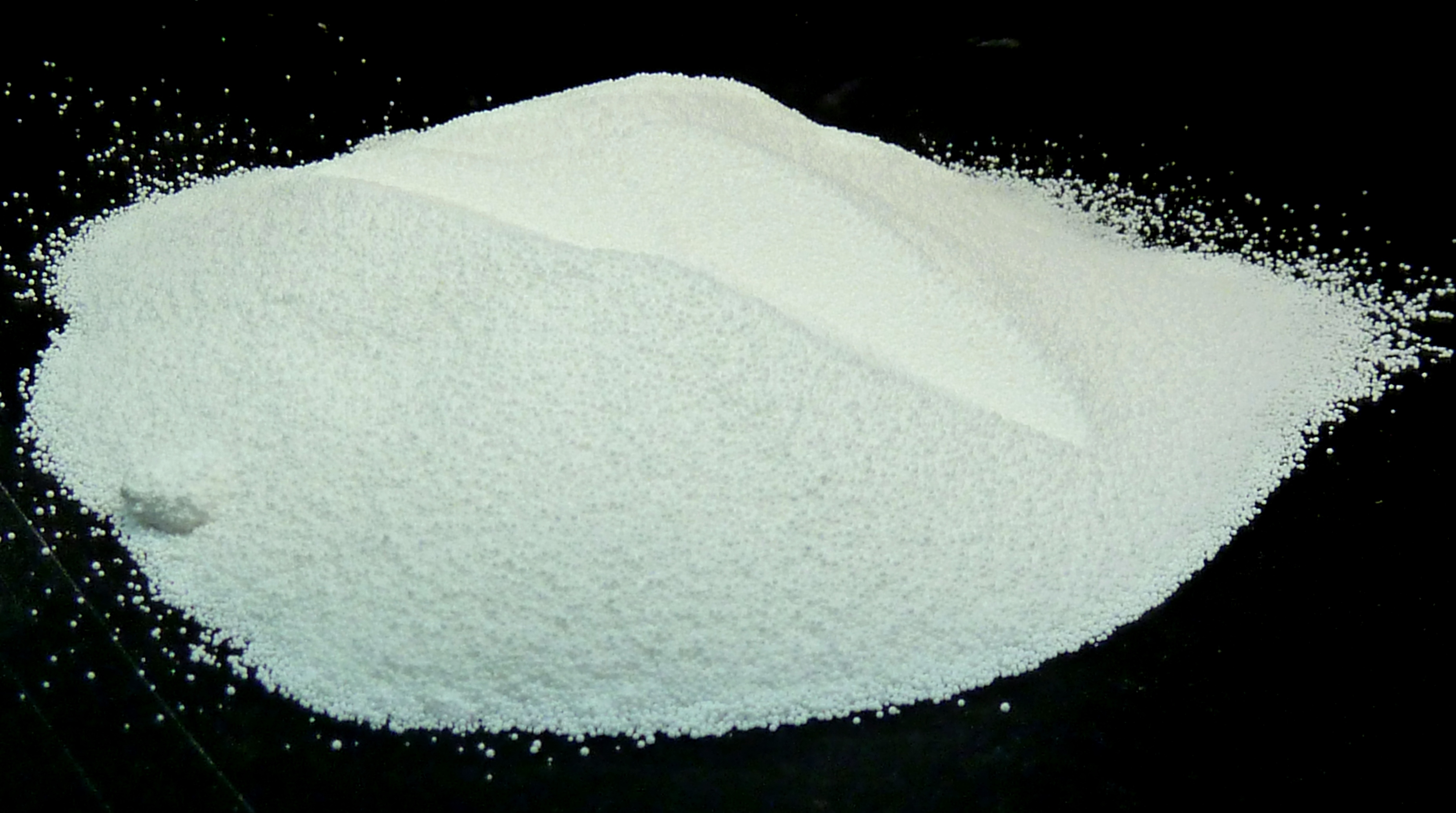
Pure polyvinylidene chloride - plastic powder, known under the trade names "IXAN" or "Saran" (registered trademarks) APPEARANCE: white powderBULK DENSITY: 0.9 kg/dm³AVERAGE PARTICLE SIZE: 200µmMELTING TEMPERATURE: 155°CMELTING VISCOSITY AT 160°C: 1500 Pa*sSPECIFIC WEIGHT: 1.71 kg/dmIdeal for use in: Chlorine supplier/binder in paint sets (pyrotechnics), inert layers against chemical effects (e.g. corrosion in plant engineering, process engineering) fiber processing/manufacture
Content: 0.5 Kilogramm (€40.46 / 1 Kilogramm)

Pure polyvinyl butyral PVB B 60HSieve pass of the powder (100% less than 250µm)free flowing Very efficient because you only need a small amount of solvent (ethanol, ether, etc.). Bulk density: 250 g/dm³Polyvinyl alcohol: 18.3% CAS no. .: 68648-78-2 Polyvinyl acetate: 1.7% Viscosity according to Höppler: 177.5 mPa/s^-1 (in 10% in ethanol) Polyvinyl butyral(PVB) is athermoplastic polymer, which is used in various applications due to its unique properties. It's overPolyvinyl alcohol(PVA) by reacting withButyraldehydemanufactured. The resultingplastichas onehigh transparency, flexibility and adhesive strengthon. One of the most famous applications ofPVBis the use asInterlayer material in laminated glass. PVBis laminated between two or more sheets of glass to create astrong bond between the slicesto ensure. This leads toSafety glass, which holds together when broken instead of breaking into sharp splinters. This property makes PVB a preferred choice for manufacturingAuto glass and safety glazingin buildings. Another area in whichPVBis used is theProduction of films and coatings. The flexibility and adhesion ofPVBmake it an ideal material for producing films for the packaging industry. It is also used as a coating material toTo protect surfaces from moisture, UV radiation and other environmental influences. Furthermore findsPVBApplication in theprinting ink industry. It will be asbinderused for inks to ensure good adhesion to various surfaces. PVB inks are particularly durable and abrasion-resistant, making them suitable for printing on packaging materials and labels. PVB also has its uses in the production of films forSolar and photovoltaic modules found. The transparency and resistance to weather influences make PVB a suitable material for protecting solar modules from moisture and other environmental influences.
Content: 0.5 Kilogramm (€42.60 / 1 Kilogramm)

Carbon: 88.70%Ash: <0.5%Sieve residueon 315µm: 5.5%on 200µm: 39.2%on 160µm: 31.3%on 100µm: 18.5%on 71µm: 1.8%
Content: 0.5 Kilogramm (€20.94 / 1 Kilogramm)

Carbon: 85 - 90% Density: 253 g/dm³Humidity: 0.37%Sieve residue on 71µm sieve: max. 15.0%Sieve passage 71µm sieve: min. 85.0% Typical applications: Dry lubricant (replacement for molybdenum disulfide) Conductive paints and plasticsAdditive against static charge metallurgy Flame retardants
Content: 0.5 Kilogramm (€20.94 / 1 Kilogramm)

Formula: C Source wood type: industrial hempCAS No.: 7440-44-0 Humidity: < 2.0% Sieve passage: 125 µm (min. 90%)Color: BlackType: Airfloat
Content: 0.5 Kilogramm (€38.08 / 1 Kilogramm)
Pure polyvinyl butyral PVB B 75HSieve pass of the powder (100% less than 250µm)free flowing Very efficient because you only need a small amount of solvent (ethanol, ether, etc.). Glass transition temperature: 73.0 °CBulk density: 200 g/dm³Polyvinyl alcohol: 20.5% CAS no. .: 68648-78-2 Polyvinyl acetate: 1.3% Viscosity according to Höppler: 79.5 mPa/s^-1 (in 10% in ethanol) Polyvinyl butyral(PVB) is athermoplastic polymer, which is used in various applications due to its unique properties. It's overPolyvinyl alcohol(PVA) by reacting withButyraldehydemanufactured. The resultingplastichas onehigh transparency, flexibility and adhesive strengthon. One of the most famous applications ofPVBis the use asInterlayer material in laminated glass. PVBis laminated between two or more sheets of glass to create astrong bond between the slicesto ensure. This leads toSafety glass, which holds together when broken instead of breaking into sharp splinters. This property makes PVB a preferred choice for manufacturingAuto glass and safety glazingin buildings. Another area in whichPVBis used is theProduction of films and coatings. The flexibility and adhesion ofPVBmake it an ideal material for producing films for the packaging industry. It is also used as a coating material toTo protect surfaces from moisture, UV radiation and other environmental influences. Furthermore findsPVBApplication in theprinting ink industry. It will be asbinderused for inks to ensure good adhesion to various surfaces. PVB inks are particularly durable and abrasion-resistant, making them suitable for printing on packaging materials and labels. PVB also has its uses in the production of films forSolar and photovoltaic modules found. The transparency and resistance to weather influences make PVB a suitable material for protecting solar modules from moisture and other environmental influences.
Content: 0.5 Kilogramm (€42.60 / 1 Kilogramm)
- DENSITY DIN 53 479: 1.5 g/cm³ - APPEARANCE: white powder - TURBIDITY 18.5% IN TOLUENE: max. 2 - ASH: max. 0.3% - CHLORINE CONTENT: 64.5 to 67% - MOISTURE (DIN 51 777): max. 0.3% - TOLUENE: <2.5% - CAS No.: 103170-23-6
Content: 0.5 Kilogramm (€30.94 / 1 Kilogramm)

Formula: C Source wood type: coconut shellCAS No.: 7440-44-0 Humidity: < 2.0% Sieve passage: 125 µm (min. 90%)Color: Black
Content: 0.5 Kilogramm (€15.00 / 1 Kilogramm)
Pure polyvinyl butyral PVB B 30HSieve pass of the powder (100% less than 250µm)free flowing Very efficient because you only need a small amount of solvent (ethanol, ether, etc.). Bulk density: 320 g/dm³Polyvinyl alcohol: 18.9% CAS no. .: 68648-78-2 Polyvinyl acetate: 2.1% Viscosity according to Höppler: 52.9 mPa/s^-1 (in 10% in ethanol) Polyvinyl butyral(PVB) is athermoplastic polymer, which is used in various applications due to its unique properties. It's overPolyvinyl alcohol(PVA) by reacting withButyraldehydemanufactured. The resultingplastichas onehigh transparency, flexibility and adhesive strengthon. One of the most famous applications ofPVBis the use asInterlayer material in laminated glass. PVBis laminated between two or more sheets of glass to create astrong bond between the slicesto ensure. This leads toSafety glass, which holds together when broken instead of breaking into sharp splinters. This property makes PVB a preferred choice for manufacturingAuto glass and safety glazingin buildings. Another area in whichPVBis used is theProduction of films and coatings. The flexibility and adhesion ofPVBmake it an ideal material for producing films for the packaging industry. It is also used as a coating material toTo protect surfaces from moisture, UV radiation and other environmental influences. Furthermore findsPVBApplication in theprinting ink industry. It will be asbinderused for inks to ensure good adhesion to various surfaces. PVB inks are particularly durable and abrasion-resistant, making them suitable for printing on packaging materials and labels. PVB also has its uses in the production of films forSolar and photovoltaic modules found. The transparency and resistance to weather influences make PVB a suitable material for protecting solar modules from moisture and other environmental influences.
Content: 0.5 Kilogramm (€42.60 / 1 Kilogramm)
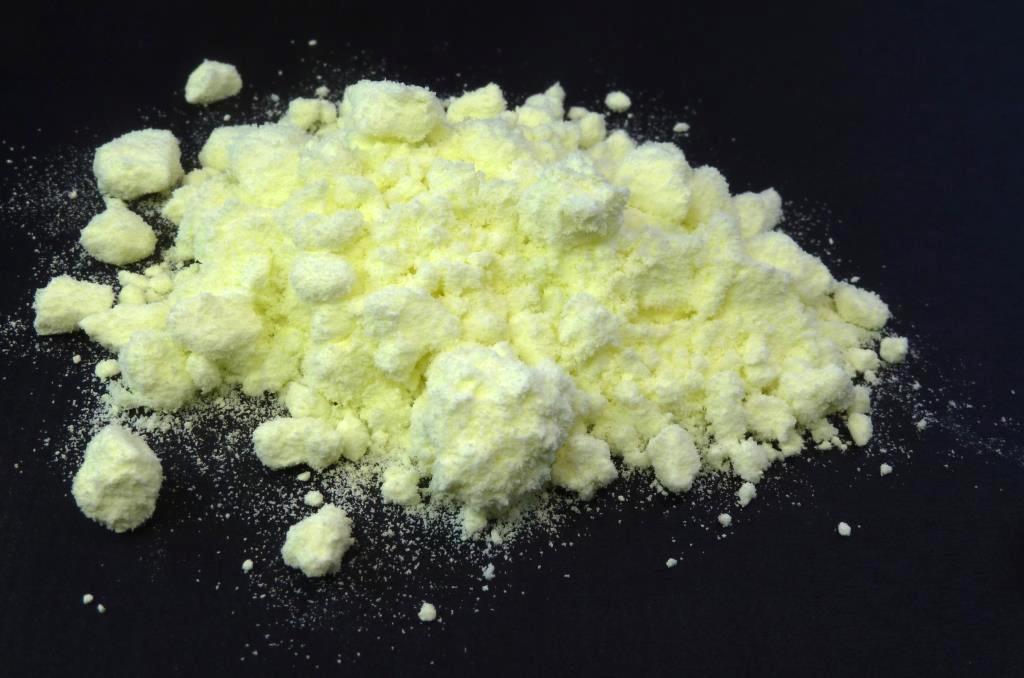
Manufactured and finely ground in Germany, our sulfur features only very low sulfate and ash content. The sulfur is neither mixed with mineral oil nor silica, making it ideal for analytical applications in the laboratory.Note: Due to the absence of additives, the flowability is accordingly limited. Please consider this when purchasing. Typical chemical/physical specifications: Formula: S UN Number: 1350 Purity: min. 99.95% CAS No.: 7704-34-9 Carbon disulfide insoluble: 0.03% Iron: 0.001% H2SO4: max. 0.01% Ash (C): max. 0.01% Sieve passing: d90 45 µm Signal word: WARNING! Hazard statements: H315: Causes skin irritation Precautionary statements: P302+P352: IF ON SKIN: Wash with plenty of water and soap
Content: 0.5 Kilogramm (€5.96 / 1 Kilogramm)
The one we deliverPVC powderis suitable for different applications. Among other things, it is used in: Filler in paints/varnisheschemical auxiliary substance (chlorine donor in thermal reactions)Thixotropy aids The powder is white, amorphous and odorless. Due to its low particle size, it has poor free-flow properties. APPEARANCE: white powder SUMMER FORMULA: C2H3ClCHLORINE CONTENT: 57%
Content: 0.5 Kilogramm (€15.70 / 1 Kilogramm)
Pure polyvinyl butyral PVB B 60T Sieve pass of the powder (100% less than 250µm)free flowing Very efficient because you only need a small amount of solvent (ethanol, ether, etc.). Glass transition temperature: 72.0°CBulk density: 270g/dm³Polyvinyl alcohol: 26.3% CAS no. .: 68648-78-2 Polyvinyl acetate: 1.5% Viscosity according to Höppler: 213.4 mPa/s^-1 (in 10% in ethanol) Polyvinyl butyral(PVB) is athermoplastic polymer, which is used in various applications due to its unique properties. It's overPolyvinyl alcohol(PVA) by reacting withButyraldehydemanufactured. The resultingplastichas onehigh transparency, flexibility and adhesive strengthon. One of the most famous applications ofPVBis the use asInterlayer material in laminated glass. PVBis laminated between two or more sheets of glass to create astrong bond between the slicesto ensure. This leads toSafety glass, which holds together when broken instead of breaking into sharp splinters. This property makes PVB a preferred choice for manufacturingAuto glass and safety glazingin buildings. Another area in whichPVBis used is theProduction of films and coatings. The flexibility and adhesion ofPVBmake it an ideal material for producing films for the packaging industry. It is also used as a coating material toTo protect surfaces from moisture, UV radiation and other environmental influences. Furthermore findsPVBApplication in theprinting ink industry. It will be asbinderused for inks to ensure good adhesion to various surfaces. PVB inks are particularly durable and abrasion-resistant, making them suitable for printing on packaging materials and labels. PVB also has its uses in the production of films forSolar and photovoltaic modules found. The transparency and resistance to weather influences make PVB a suitable material for protecting solar modules from moisture and other environmental influences.
Content: 0.5 Kilogramm (€42.60 / 1 Kilogramm)

Formula: C Source wood type: oakCAS No.: 7440-44-0 Humidity: < 2.0% Ash: <2.0%Sieve passage: 125 µm (min. 90%)Color: BlackType: Airfloat
Content: 0.5 Kilogramm (€15.00 / 1 Kilogramm)

Formula: C Source wood type: grapevineCAS No.: 7440-44-0 Humidity: < 2.0% Ash: <2.0%Sieve passage: 125 µm (min. 90%)Color: Black
Content: 0.5 Kilogramm (€15.00 / 1 Kilogramm)

Strontium carbonateis a harmless and widely used industrial material. It can be used as a pigment, color improver (absorber in picture tubes) but also in electromagnets. It is primarily derived from naturally occurring minerals such as celestine.Typical chemical/physical specifications:Formula: SrCO3 CAS No.: 1633-05-2 Heavy metal content: < 1 ppm HCl soluble: 0.001% Filling density: 0.769 kg/dm³ SrCO3+BaCO3: > 98.5% SrCO3: 97.05% BaO: 1.06% CaO: 0.37% Na2O: 0.003% S: <0.005% N: 0.15% Fe2O3: <1 ppm Particle size: D50 9.24 µm
Content: 0.5 Kilogramm (€11.90 / 1 Kilogramm)

Titanium dioxide(TiO2) is a widely used material that finds application in various industries. One of the modifications of titanium dioxide is theAnatase-Modification. The anatase modification is characterized by its unique crystal structure and outstanding properties. TheAnatase modification of titanium dioxidehas a tetragonal crystal structure. The atoms are arranged in a specific arrangement that ensures high stability. The crystal structure of the anatase modification allows titanium dioxide to exhibit a variety of properties that make it attractive for various applications. Characteristics High chemical stability Good photocatalysis properties Low electrical resistance High light absorption Large surface area Applications TheAnatase-Modification ofTitanium dioxideis used in various applications including: Sunscreens: Due to its high light absorption properties, titanium dioxide in the anatase modification is used as a UV filter in sunscreens. Photocatalysis: Due to its good photocatalysis properties, anatase titanium dioxide is used in environmental technology to break down pollutants. Dye-sensitized solar cells: Anatase modification is used in the production of dye-sensitized solar cells because it enables efficient conversion of sunlight into electrical energy. Titanium dioxide specifications TiO2: at least 99.11% Chemical specification element Salary S 0,023% Fe2O3 0,014% Nb2O3 0,052% Whiteness: 87.6% Granulometry Size particle size d90 9.8µm d50 6.0µm d10 1.5µm
Content: 0.5 Kilogramm (€20.24 / 1 Kilogramm)

Formula: C Source wood type: pineCAS No.: 7440-44-0 Humidity: < 2.0% Ash: <2.0%Sieve passage: 125 µm (min. 90%)Color: BlackType: Airfloat
Content: 0.5 Kilogramm (€15.00 / 1 Kilogramm)
The one we deliverPVC powderis suitable for different applications. Among other things, it is used in: Filler in paints/varnisheschemical auxiliary substance (chlorine donor in thermal reactions)Thixotropy aids The powder is white, amorphous and odorless. Due to its low particle size, it has poor free-flow properties. APPEARANCE: white powder BULK DENSITY: 0.383 g/cm³SUMMER FORMULA: C2H3ClCHLORINE CONTENT: 57%NOMINAL PARTICLE SIZE: 13-17 µm
Content: 0.5 Kilogramm (€15.70 / 1 Kilogramm)
Polytetrafluoroethylene(PTFE) is a highly interesting polymer that has a wide range of applications in various industries. This unique material is valued for its remarkable chemical and physical properties.PTFEis usuallyas an extremely fine powderand offers a wealth of advantages for numerous applications. PTFE is produced by polymerizing tetrafluoroethylene, a colorless and odorless gas. The resulting product is a white powder that has a very large surface area due to its tiny particle size. This enables oneexcellent adhesionon surfaces. One of the most notable properties of PTFE is itsexceptional chemical resistance. It is inert to most chemicals and solventsinsensitive to corrosion. This makes PTFE an ideal choice for applications that come into contact with aggressive substances, such as in the chemical industry or the storage of hazardous materials. Another notable aspect of PTFE is itsexcellent gliding ability. It has onevery low coefficients of friction, making it aslubricantCan be used in various applications (sprayableSolid lubricant/dry lubricants). Whether in plain bearings, seals or as a coating for machine components, PTFE reduces wear and enables smooth operation.Typical chemical and physical specifications:CAS No.: 9002-84-0Bulk density: approx. 300 g/dm³Average particle size (agglomerated): approx. 4 µmAverage particle size (primary particles): approx. 180 nanometersSpecific surface area: 12 m²/gMelting point: 330°C
Content: 0.5 Kilogramm (€160.00 / 1 Kilogramm)
Zirconium(IV) oxide, or Zirconium oxide for short, is indispensable for countless applications. Due to its great hardness, temperature and chemical resistance, it is a particularly wear-resistant material. In dental technology, implants, crowns and abrasives are the main components of zirconium dioxide with a narrow particle size distribution. It is a monoclinic, unstabilized variant with high chemical reactivity.
Content: 0.5 Kilogramm (€68.00 / 1 Kilogramm)

Sodium Carbonate MONOHYDRATE – A Versatile Chemical Compound Sodium Carbonate MONOHYDRATE (chemical formula: Na2CO3 · H2O), commonly known in commerce as Soda, Washing Soda, or Soda Ash, is a white, crystalline substance characterized by excellent water solubility. This chemical compound is used in numerous industrial and household applications. Important Application Areas of Sodium Carbonate Food Industry In the food industry, sodium carbonate is used as a pH regulator and buffer to stabilize the pH value of various food products. Additionally, it serves as an effective leavening agent that aerates doughs and ensures optimal volume increase during the baking process. Household Cleaning As a universal cleaning agent and degreaser, sodium carbonate proves effective in household cleaning. It effectively removes grease and oil residues as well as stubborn stains. The compound is also a fixed component of many commercial cleaning products. Glass Industry In glass manufacturing, sodium carbonate plays a central role because it significantly lowers the melting temperature and positively influences the viscosity of the glass melt. Additionally, it is used for cleaning and polishing glassware. Water Treatment and Paper Industry For pH regulation and removal of metal ions, sodium carbonate is used in water treatment. In the paper and cellulose industry, it is used for pulp bleaching. Sodium carbonate is also found in various household products such as bath bombs, carpet cleaners, and detergents. The CAS number of this compound is: 5968-11-6 Typical Chemical-Physical Specifications Analysis Parameter Unit of Measurement Requirement Sodium Carbonate (Na2CO3) % ≥ 99.9 Sodium Chloride (NaCl) % ≤ 0.09 Iron Oxide (Fe2O3) % ≤ 0.002 Sodium Sulfate (Na2SO4) % ≤ 0.02 Moisture Loss (Drying Loss) % ≤ 0.5 Water-Insoluble Constituents % ≤ 0.02 Bulk Density kg/dm³ 0.58 – 0.68 Sieve Residue (2.5 mm) % ≤ 1.0 Sieve Passage (0.4 mm) % ≥ 90.0
Content: 0.1 Kilogramm (€13.10 / 1 Kilogramm)
Sodium carbonate, also known as soda, baking soda or washing soda, is a chemical compound with the formula Na2CO3. It is a white, crystalline powder or granulate that is highly soluble in water. Sodium carbonate is a widely used chemical product and has many applications in various fields.An important area of application for sodium carbonate is in the food industry. It is used as an acidity regulator and buffer to stabilize pH in various foods. It can also be used as a leavening agent to loosen dough and promote volume increase during the baking process.In household cleaning, sodium carbonate is often used as a cleaning agent and degreaser. It can help remove grease and oil residue and loosen stubborn stains. It is also an ingredient in many commercial cleaning products.Sodium carbonate is also used in the glass industry. It plays an important role in the production of glass as it reduces the melting temperature and affects the viscosity of the glass melt. It can also be used to clean and polish glassware.Sodium carbonate is also used in water treatment, for example to regulate pH and remove metal ions. It is also used in the paper and cellulose industry to bleach pulp.Sodium carbonate can also be found in some household products such as bath bombs, carpet cleaners, and as an ingredient in laundry detergent.CAS No.: 497-19-8Typical chemical and physical specificationsParameter unit specificationNa2CO3% min. 99.5NaCl% max. 0.15Fe2O3% max. 0.0025Na2SO4% max. 0.02Drying loss % max. 0.5Water-insoluble components % max. 0.02Bulk density kg/dm³ 0.58 - 0.68Sieve residue 2.5 mm % max. 1.0Sieve passage 0.4 mm % min. 90.0
Content: 0.1 Kilogramm (€10.70 / 1 Kilogramm)