
min. 98.0 % Silicon nitride, Si3N4, < 1μm SN-Powder, superfine, Alpha 91 - 95 %, silicon nitride

€193.97
Available, delivery time: 2-5 days
Product information "min. 98.0 % Silicon nitride, Si3N4, < 1μm SN-Powder, superfine, Alpha 91 - 95 %, silicon nitride"
Chemical/physical properties (typical)
| Carbon | max. 0.5% |
| Oxygen | max. 2.0% |
| Aluminium | max. 0.08% |
| Calcium | max. 0.02% |
| Iron | max. 0.06% |
| BET | 10 - 12 m²/g |
| Free Si | max. 0.2% |
| Alpha Phase | min. 91.0% |
| Purity (Si3N4) | min. 98.0% |
| D50 | 0.9 µm |
| Aluminium: | max. 0,08 % |
|---|---|
| CAS-Nr.: | 12033-89-5 |
| Calcium: | max. 0,02 % |
| Color: | Grau, brown |
| Eisen (Fe): | max. 0,06 % |
| Fraktion: | D50 0,9µm |
| Kohlenstoff: | max. 0,5 % |
| Oxygen: | max. 2,0 % |
| Produktcharakter: | Staub |
| Si (Silizium): | 0,2 % |
| Spezifische Oberfläche BET: | 10 - 12 m²/g |
| kind of product: | ceramic powder |
| material: | Siliziumnitrid |
| purity: | min. 98,0 % |
| zur GPSR-Informationspflicht: | Hersteller + Verantwortliche Person: Werth-Metall, Ringstr. 41b, 99428 Grammetal, info@werth-metall.de |
Login
Dazu passende Pulver

Flame sootorCarbon Black / Carbon Black / Lamp Black is produced by burning hydrocarbons with reduced oxygen supply. The flame black powder we offer is typically nanoscale. Among other things, it is also suitable as an extremely opaque black pigment. This is a prilled version. This means that significantly less dust is created during handling and the material is easier to dose andIn addition, the environmental impact is significantly reduced.Possible applications: Additive in polymers Conductive paints (ESD applications) Polymer-based energy storage Black pigment (e.g. toner) Flame retardant coatings and much more. Chemical/physical examination: Average particle size: 95nm (0.095µm) - based on primary particlesResidue on 45µm sieve: 4ppm Toluene extractable components (DIN 53553): 0.010% CAS No.: 1333-86-4 Variety: 101 Carbon min.: 99.9% Opacity (ISO 787/16 & 24): 26.0% (ITRB) Blackness (DIN 55979): 210 PH value: 7.5 Tamping density: 260 g/l Dibutyl phthalate absorption: 0.118 dm³/100g

Flame sootorCarbon Black / Carbon Black / Lamp Black is produced by burning hydrocarbons with reduced oxygen supply. The flame black powder we offer is typically nanoscale. Among other things, it is also suitable as an extremely opaque black pigment. Possible applications: Additive in polymers Conductive paints (ESD applications) Polymer-based energy storage Black pigment (e.g. toner) Flame retardant coatings and much more. Chemical/physical examination: Average particle size: 95nm (0.095µm) - based on primary particlesResidue on 45µm sieve: 4ppm Toluene extractable components (DIN 53553): 0.010% CAS No.: 1333-86-4 Variety: 101 Carbon min.: 99.9% Opacity (ISO 787/16 & 24): 26.0% (ITRB) Blackness (DIN 55979): 210 PH value: 7.5 Tamping density: 260 g/l Dibutyl phthalate absorption: 0.118 dm³/100g" ThisDextrin (canary dextrin) will be outCornstarchwon. The starch is mixed with steam or catalytically active acid under increased temperature and pressure. This converts the otherwise insoluble starch into awater soluble product, which mainly asbinderapplies. A commonly known use is thisWet adhesive coating (also called gumming) of postage stamps and kraft paper tapes. However, it is also used as a food additive or as a binding agent in pharmaceuticals. The material isvery soluble in waterand binds even at low moisture levels. There are now many dextrin-based artists' colors on the market (mixture of dextrin and pigment, as well as water). Product dataCAS No.: 9004-53-9 Average particle size: 17.50 µmHumidity: max. 10% [MCL 002B]pH value: 2.5 - 4.0 [20% solution]RVA viscosity: 960-2040 mPa*s [MCL 106T]Insoluble components: max. 2% [MCL 340A]Reduced sugar: max. 4.2% [MCL 050A]Bulk density: approx. 0.55 kg/dm³ [MCL 095A]
Content: 0.25 Kilogramm (€24.76 / 1 Kilogramm)

ThisZirconium oxide-Pearls areextraordinarily hardand show a highResistance to aggressive media. Chemical/Physical Specifications ZrO2+ HfO2: 58.0% SiO2: 37.0% Other: 5.0% Bulk density: 2.5 g/cm³ Specific gravity: 4.1 g/cm³ Vickers hardness: 1000 HV 1 Areas of application: - Colors (dispersing media) - Agrochemistry - magnetic paints - Clay minerals - Pigment production - Minerals - Ceramic processing
Content: 10 Kilogramm (€19.00 / 1 Kilogramm)
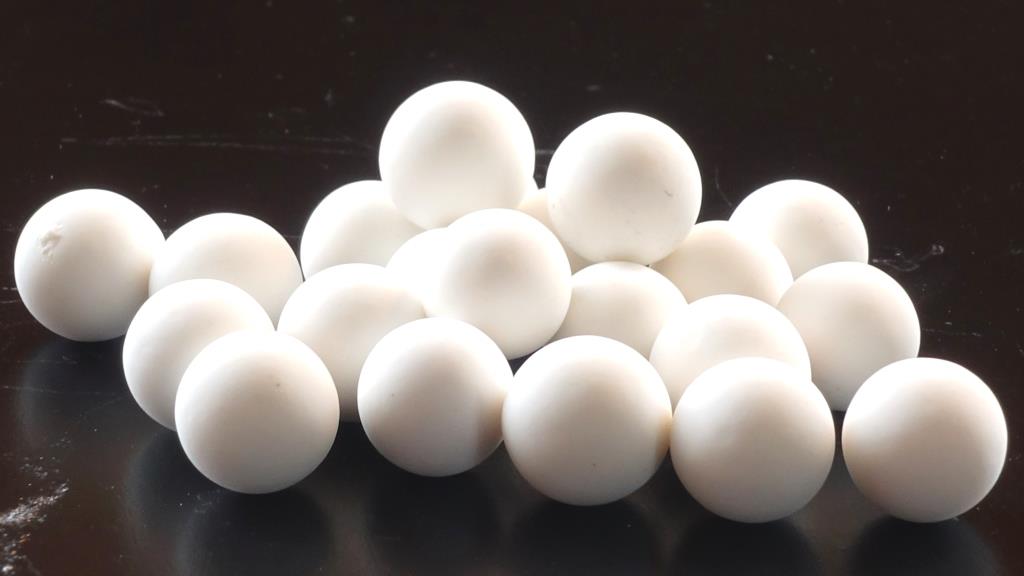
Extremely hard milling balls with a high alumina content of min. 99.0%. They are highly resistant to corrosive stresses such as acids, bases, gases, vapors, or salts (with the exception of hydrofluoric acid). Their extremely high hardness makes them ideal grinding media for mills of various designs. Thanks to their low wear and thus low contamination of the milled material, they offer high cost-effectiveness while ensuring consistently high grinding results. The balls have no pressing edge. Due to their very high Al₂O₃ content, these balls are the perfect choice for grinding tasks with special purity requirements where impurities are critical. Chemical and physical specifications Diameter: 10 mm +/- 0.2 mm Density (specific weight): 3.3 to 3.6 g/cm³ [+/- 0.07] Hardness (Mohs): ~9 Thermal conductivity (30 - 100°C): 19 - 30 W/m·K Heat resistance: up to 1 650 °C Water absorption: max. 5.0% Compressive strength: 2 500 N Al₂O₃: ≥ 99% SiO₂: ≤ 0.2% Fe₂O₃: ≤ 0.12% CaO + MgO: ≤ 0.2% TiO₂: ≤ 0.06% Na₂O: ≤ 0.2% K₂O: ≤ 0.1%
Content: 0.5 Kilogramm (€47.60 / 1 Kilogramm)

This coarser silicon powder is mechanically produced from pure starting material with at least 98.0% silicon. Due to its coarser particle size, this powder is better suited for melting and foundry applications.Chemical analysis (typical values):Si: > 98.0%Fe: < 1.0%Particle size distribution (typical values):D90 190 µmD50 125 µmD10 75 µm
Content: 0.5 Kilogramm (€25.70 / 1 Kilogramm)
Extremely hard grinding balls with a high alumina content of min. 90.0%. They are highly resistant to corrosive stresses such as acids, bases, gases, vapors, or salts (with the exception of hydrofluoric acid). Their very high hardness makes them ideal grinding media for mills of various designs. Due to their low wear and, consequently, low contamination of the milled material, they ensure high cost-effectiveness with consistently high grinding results. The balls have no compression edge. Chemical and physical specifications Size fraction: 19 mm Density (specific weight): 3.63 g/cm³ [ +/- 0.07] Mohs hardness: ~9 Heat resistance: up to 1600 °C Rockwell hardness: ~80 Bulk density: approx. 2.0 to 2.1 kg/dm³ Al2O3: ≧ 90% SiO2: ≦ 4.5% alkaline metal oxides: approx. 5.0%
Content: 10 Kilogramm (€11.00 / 1 Kilogramm)
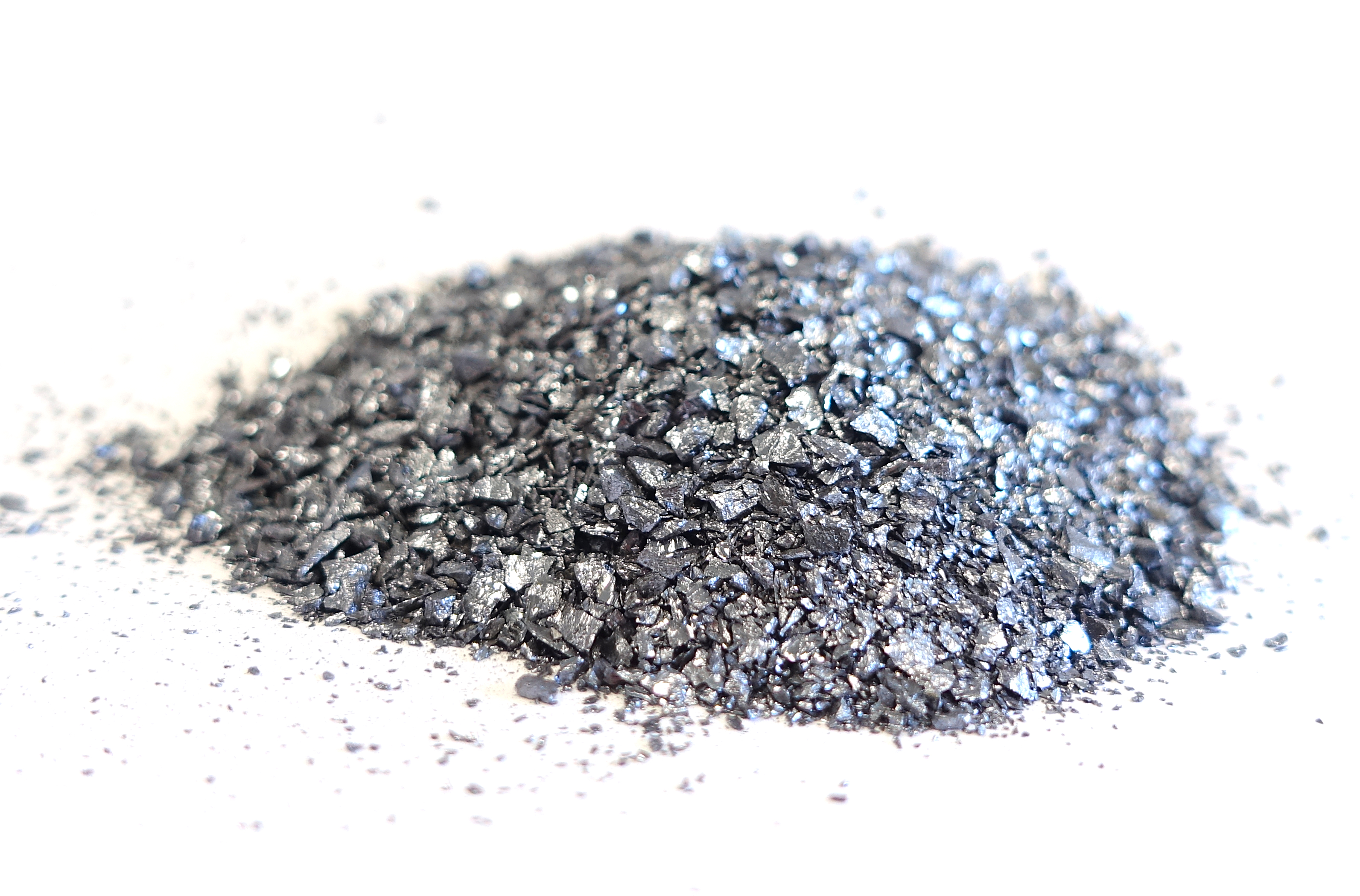
This Coarse silicon granules are mechanically obtained from pure starting material with at least 99.0% silicon purity. Due to its large particle size, this powder is ideally suited for melting and foundry applications. Chemical analysis (typical values): Si: > 99.0% Fe: 3814 ppmw Al: 297 ppmwApprox.: 10 ppmwTi: 110 ppmwP: 39 ppmwCu: 15 ppmwCr: 43 ppmwK: 1.2 ppmwV: 10 ppmwNi: 15 ppmwNa: 0.4ppmwParticle size distribution (typical values): < 2000 µm: 0.10% 200 - 2000µm: 99.9% < 200µm: 0.0%
Extremely hard grinding balls with a high alumina content of min. 90.0%. They are highly resistant to corrosive stresses such as acids, bases, gases, vapors, or salts (with the exception of hydrofluoric acid). Their very high hardness makes them ideal grinding media for mills of various designs. Due to their low wear and, consequently, low contamination of the milled material, they ensure high cost-effectiveness with consistently high grinding results. The balls have no compression edge. Chemical and physical specifications Size fraction: 22 mm Density (specific weight): 3.63 g/cm³ [ +/- 0.07] Mohs hardness: ~9 Heat resistance: up to 1600 °C Rockwell hardness: ~80 Bulk density: approx. 2.0 to 2.1 kg/dm³ Al2O3: ≧ 90% SiO2: ≦ 4.5% alkaline metal oxides: approx. 5.0%
Content: 0.1 Kilogramm (€20.00 / 1 Kilogramm)
Highly durable grinding balls featuring a high alumina content of at least 90.0%. These balls provide exceptional resistance to corrosive environments, including acids, bases, gases, vapors, and salts (except hydrofluoric acid). Their outstanding hardness makes them ideal grinding media for various mill types. With minimal wear and thus low contamination of the milled material, they deliver high cost efficiency and consistently superior grinding performance. These balls are manufactured with a pressed edge. Chemical and physical specifications Fraction: 25 mm Density (specific weight): 3.63 g/cm³ [+/- 0.07] Mohs hardness: ~9 Heat resistance: up to 1600 °C Rockwell hardness: ~80 Al₂O₃: ≥ 90% SiO₂: ≤ 4.5% Alkaline metal oxides: approx. 5.0%
Content: 10 Kilogramm (€11.00 / 1 Kilogramm)

This silicon powder is mechanically produced from high-purity starting material with at least 99.0% silicon. The very small particle size gives the material increased reactivity and sintering activity, making it particularly interesting for ignition systems, gas generators, technical ceramics, and high-temperature applications. It is also ideally suited for the production of silicon nitride or silicon carbide. Chemical analysis (typical values): Si: > 99.0% Fe: approx. 0.4% Al: approx. 0.2% Approx.: approx. 0.06% Particle size distribution (typical values): D90 4.0 µm D50 2.0 µm D10 0.6 µmSignal word: ATTENTION!Hazard statements H228: Flammable solidPrecautionary statements P210: Keep away from heat, hot surfaces, sparks, open flames and other ignition sources. No smoking. P402+P404: Store in a closed container in a dry place.

Extremely hard grinding balls with a high alumina content of min. 90.0%. They are highly resistant to corrosive stresses such as acids, bases, gases, vapors, or salts (with the exception of hydrofluoric acid). Their very high hardness makes them ideal grinding media for mills of various designs. Due to their low wear and, consequently, low contamination of the milled material, they ensure high cost-effectiveness with consistently high grinding results. The balls have no compression edge. Chemical and physical specifications Size fraction: 3.5 - 4.5 mm Density (specific weight): 3.63 g/cm³ [ +/- 0.07] Mohs hardness: ~9 Heat resistance: up to 1600 °C Rockwell hardness: ~80 Bulk density: approx. 2.0 to 2.1 kg/dm³ Al2O3: ≧ 90% SiO2: ≦ 4.5% alkaline metal oxides: approx. 5.0%
Content: 0.1 Kilogramm (€20.00 / 1 Kilogramm)
This silicon powder is mechanically produced from high-purity starting material with at least 99.9% silicon. The very small particle size gives the material increased reactivity and sintering activity, making it particularly interesting for ignition systems, gas generators, technical ceramics, and high-temperature applications. It is also ideally suited for the production of silicon nitride or silicon carbide. Chemical analysis (typical values): Si: > 99.9% Al: 351.3 ppmw Ca: 70.9 ppmw Fe: 75.4 ppmw Ti: 5.1 ppmw P: 1.8 ppmw Cu: 16.2 ppmw Cr: 2.6 ppmw K: 6.9 ppmw V: 0.1 ppmw Ni: 1.5 ppmw Na: 14.7 ppmw Particle size distribution (typical values): D90 7.92 µm D50 4.16 µm D10 1.33 µmSignal word: ATTENTION! Hazard statements H228: Flammable solid Precautionary statements P210: Keep away from heat, hot surfaces, sparks, open flames and other ignition sources. No smoking. P402+P404: Store in a closed container in a dry place.
Content: 5 Kilogramm (€36.89 / 1 Kilogramm)
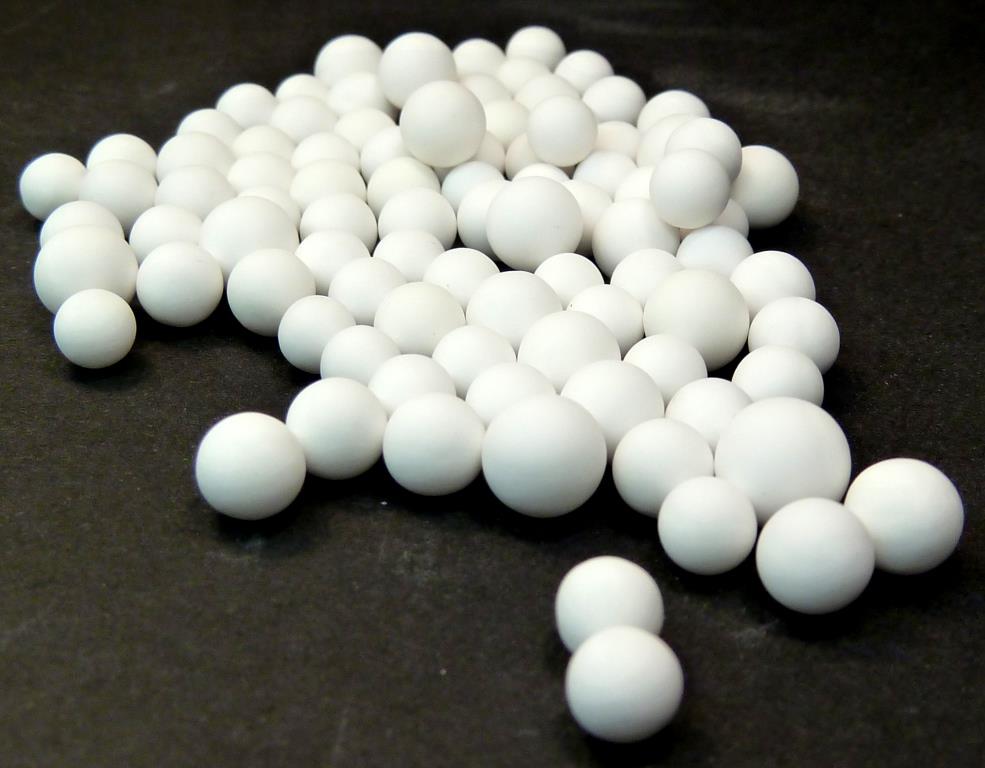
Extremely hard grinding balls with a high alumina content of min. 90.0%. They are highly resistant to corrosive stresses such as acids, bases, gases, vapors, or salts (with the exception of hydrofluoric acid). Their very high hardness makes them ideal grinding media for mills of various designs. Due to their low wear and, consequently, low contamination of the milled material, they ensure high cost-effectiveness with consistently high grinding results. The balls have no compression edge. Chemical and physical specifications Size fraction: 5-7 mm Density (specific weight): 3.63 g/cm³ [ +/- 0.07] Mohs hardness: ~9 Heat resistance: up to 1600 °C Rockwell hardness: ~80 Bulk density: approx. 2.0 to 2.1 kg/dm³ Al2O3: ≧ 90% SiO2: ≦ 4.5% alkaline metal oxides: approx. 5.0%
Content: 25 Kilogramm (€11.20 / 1 Kilogramm)
Extremely hard grinding balls with a high alumina content of min. 90.0%. They are highly resistant to corrosive stresses such as acids, bases, gases, vapors, or salts (with the exception of hydrofluoric acid). Their very high hardness makes them ideal grinding media for mills of various designs. Due to their low wear and, consequently, low contamination of the milled material, they ensure high cost-effectiveness with consistently high grinding results. The balls have no compression edge. Chemical and physical specifications Size fraction: 6-7 mm Density (specific weight): 3.63 g/cm³ [ +/- 0.07] Mohs hardness: ~9 Heat resistance: up to 1600 °C Rockwell hardness: ~80 Bulk density: approx. 2.0 to 2.1 kg/dm³ Al2O3: ≧ 90% SiO2: ≦ 4.5% alkaline metal oxides: approx. 5.0%
Content: 5 Kilogramm (€12.60 / 1 Kilogramm)
Extremely hard grinding balls with a high alumina content of min. 90.0%. They are highly resistant to corrosive stresses such as acids, bases, gases, vapors, or salts (with the exception of hydrofluoric acid). Their very high hardness makes them ideal grinding media for mills of various designs. Due to their low wear and, consequently, low contamination of the milled material, they ensure high cost-effectiveness with consistently high grinding results. The balls have no compression edge. Chemical and physical specifications Size fraction: 7-9 mm Density (specific weight): 3.63 g/cm³ [ +/- 0.07] Mohs hardness: ~9 Heat resistance: up to 1600 °C Rockwell hardness: ~80 Bulk density: approx. 2.0 to 2.1 kg/dm³ Al2O3: ≧ 90% SiO2: ≦ 4.5% alkaline metal oxides: approx. 5.0%

Carbon: 85 - 90% Density: 253 g/dm³Humidity: 0.37%Sieve residue on 71µm sieve: max. 15.0%Sieve passage 71µm sieve: min. 85.0% Typical applications: Dry lubricant (replacement for molybdenum disulfide) Conductive paints and plasticsAdditive against static charge metallurgy Flame retardants
Content: 0.5 Kilogramm (€20.94 / 1 Kilogramm)

Carbon: 88.70%Ash: <0.5%Sieve residueon 315µm: 5.5%on 200µm: 39.2%on 160µm: 31.3%on 100µm: 18.5%on 71µm: 1.8%
This silicon powder is mechanically extracted from high-purity raw material with at least 99.0% silicon . The small particle size gives the material increased reactivity and sintering activity, making it particularly interesting for the fields of ignition systems, gas generators, technical ceramics or also high-temperature applications. Chemical analysis (typical values): Si: > 99.0% Fe: 3814 ppmw Al: 297 ppmwCa.: 10 ppmwTi: 110 ppmwP: 39 ppmwCu: 15 ppmwCr: 43 ppmwK: 1.2 ppmwV: 10 ppmwNi: 15 ppmwNa: 0.4 ppmwParticle size distribution (typical values): d10 6µmd50 21µm d90 47µm Signal word: WARNING! Hazard warnings H228: Flammable solid Safety instructions P210: Keep away from heat, hot surfaces, sparks, open flames, and other sources of ignition. No smoking. P402+P404: Store in a closed container in a dry place.
Extremely hard grinding balls with a high alumina content of min. 90.0%. They are highly resistant to corrosive stresses such as acids, bases, gases, vapors, or salts (with the exception of hydrofluoric acid). Their very high hardness makes them ideal grinding media for mills of various designs. Due to their low wear and, consequently, low contamination of the milled material, they ensure high cost-effectiveness with consistently high grinding results. The balls have no compression edge. Chemical and physical specifications Size fraction: 9-11 mm Density (specific weight): 3.63 g/cm³ [ +/- 0.07] Mohs hardness: ~9 Heat resistance: up to 1600 °C Rockwell hardness: ~80 Bulk density: approx. 2.0 to 2.1 kg/dm³ Al2O3: ≧ 90% SiO2: ≦ 4.5% alkaline metal oxides: approx. 5.0%
Content: 0.25 Kilogramm (€16.00 / 1 Kilogramm)
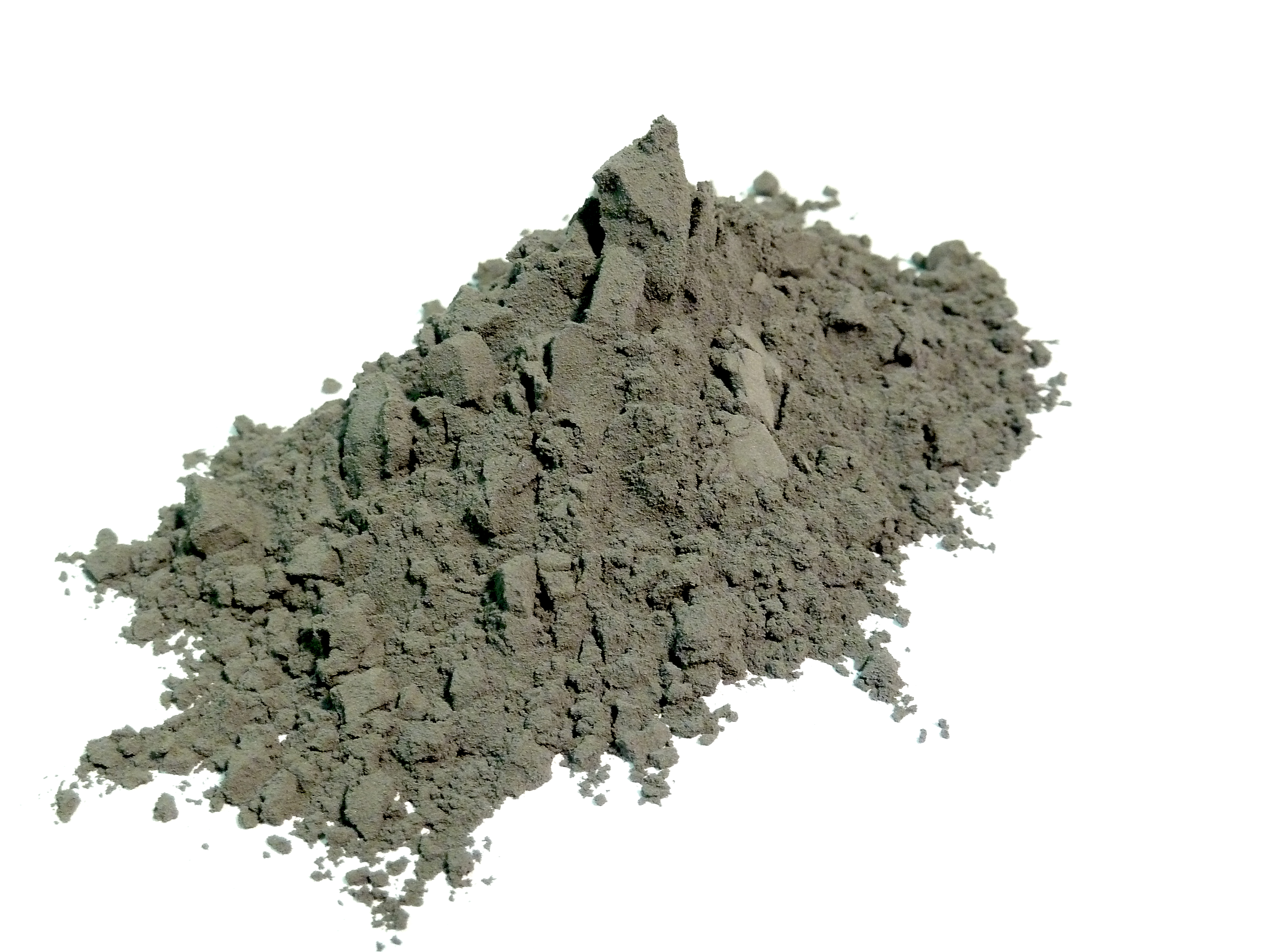
FORMULA: WCAS NO.: 7440-33-7 Purity: min. 99.9% PARTICLE SIZE: FSSS 6.20 µm AL: <2 ppm FE: <5 ppm MO: < 10 ppm Specific surface area: 748.6 cm²/g Bulk density: 19.3 g/cm³Optimal applications for tungsten metal powder:Production of tungsten carbide powdersPowder metallurgical production of tungsten metal and ferroalloy products Production of tungsten-containing steel and superalloy productsProduction of high-density tungsten plastic productsProduction of tungsten-containing diamond toolsThermal spraying of tungsten-containing powders or wires Use of tungsten metal powder for carbon adjustment in hard metal powdersProduction of tungsten disulfide Production of explosives and pyrotechnic articlesSignal word: Warning!Hazard statements:H228: Flammable solidPrecautionary statements: P210: Keep away from heat, sparks, open flames and hot surfaces. No smoking.P240: Ground and bond container and receiving equipment.P241: Use explosion-proof electrical/ventilating/lighting equipment.P280: Wear protective gloves/protective clothing/eye protection/face protection.P370+P378: In case of fire: Use sand or special powder to extinguish.
Content: 0.5 Kilogramm (€595.00 / 1 Kilogramm)
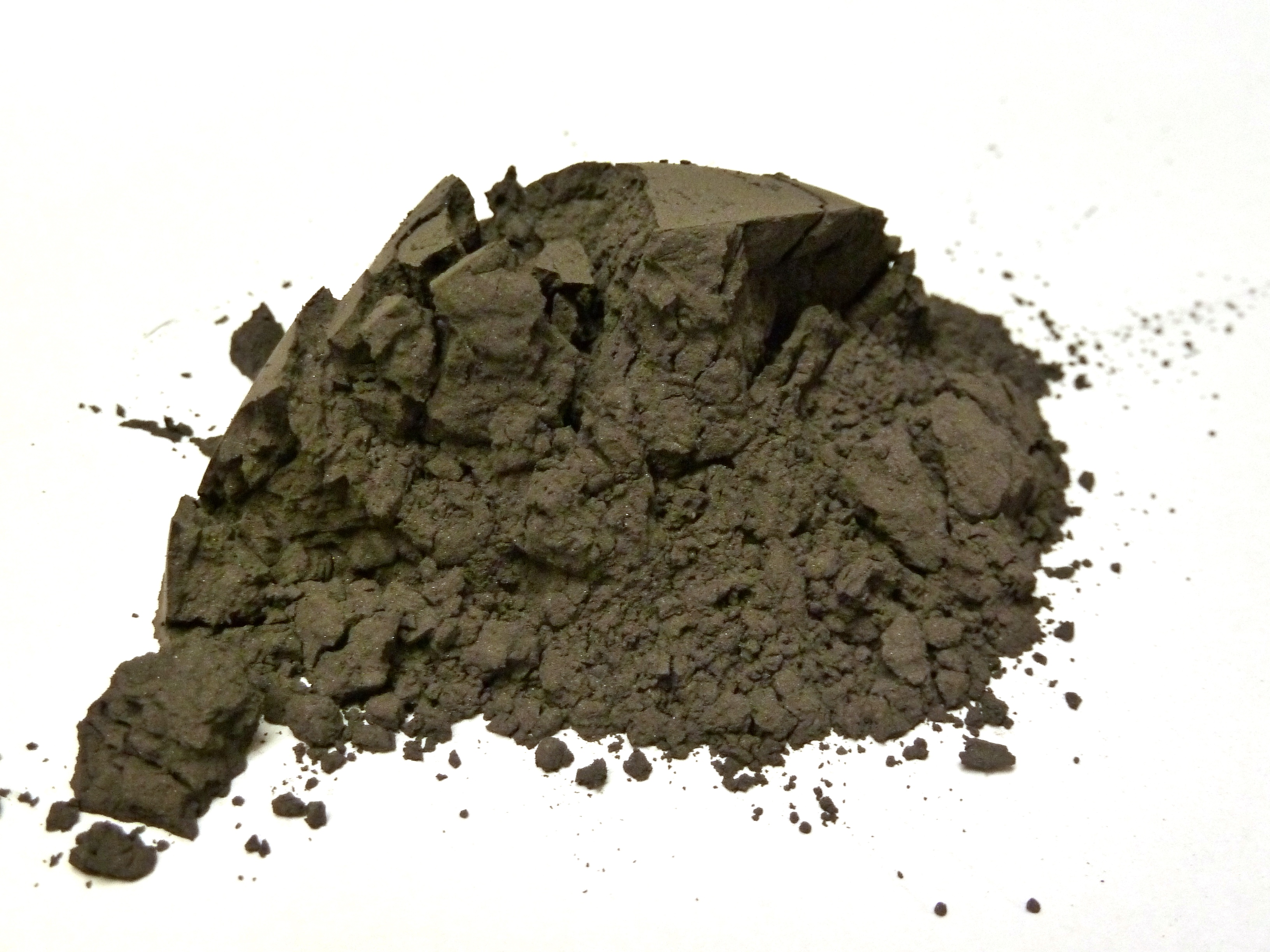
This silicon powder is mechanicallyproduced from high-purity starting material with at least 99.0% silicon. The small particle size gives the material increased reactivity and sintering activity, making it particularly interesting for applications such as ignition systems, gas generators, technical ceramics, and high-temperature applications. Chemical analysis (typical values): Si: > 99.0% Al: 125 ppmw Ca: 69 ppmw Fe: 935 ppmw Ti: 189 ppmw P: 26 ppmw Cu: 63 ppmw Cr: 80 ppmw K: 48 ppmw V: 97 ppmw Ni: 45 ppmw Na: 39 ppmw Particle size distribution (typical values):> 45µm: 15.0%10-45µm: 45.0%1-10µm: 35.0%< 1µm: 3.0%Signal word: ATTENTION! Hazard statements H228: Flammable solid Precautionary statements P210: Keep away from heat, hot surfaces, sparks, open flames and other ignition sources. No smoking. P402+P404: Store in a closed container in a dry place.

Formula: C Source wood type: birchCAS No.: 7440-44-0 Humidity: < 2.0% Ash: <2.0%Sieve passage: 100 µm (min. 90%)Color: Black
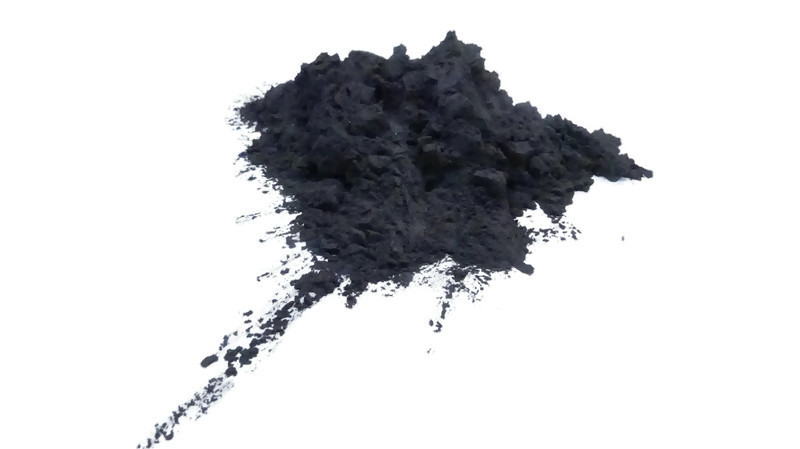
Boron carbide (also known as black diamond) is, like our silicon carbide and silicon nitride, an exceptionally hard and therefore wear-resistant material. This has made it the material of choice for nozzle materials, baffle plates (jet mills), ballistic protection elements, cutting tools, and grinding, polishing, or lapping powders. More recent applications have emerged in foundry technology (cost-effective supply of boron), rocket fuels, and semiconductor technology. We supply common fractions. Should you still find anything missing, please feel free to contact us. Chemical/Physical Specifications Color: Black Formula: B4C B + C: min. 95.0% B: min. 77.0% C: max. 18.0% B2O3: 1.0% Fe: max. 0.5% Knoop Hardness: 3000 Mohs Hardness: < 9.5 (for comparison: Mohs hardness of diamond: 10) Specific gravity: 2.51 g/cm³ Melting point: 1495 °C Crystal structure: monocrystalline
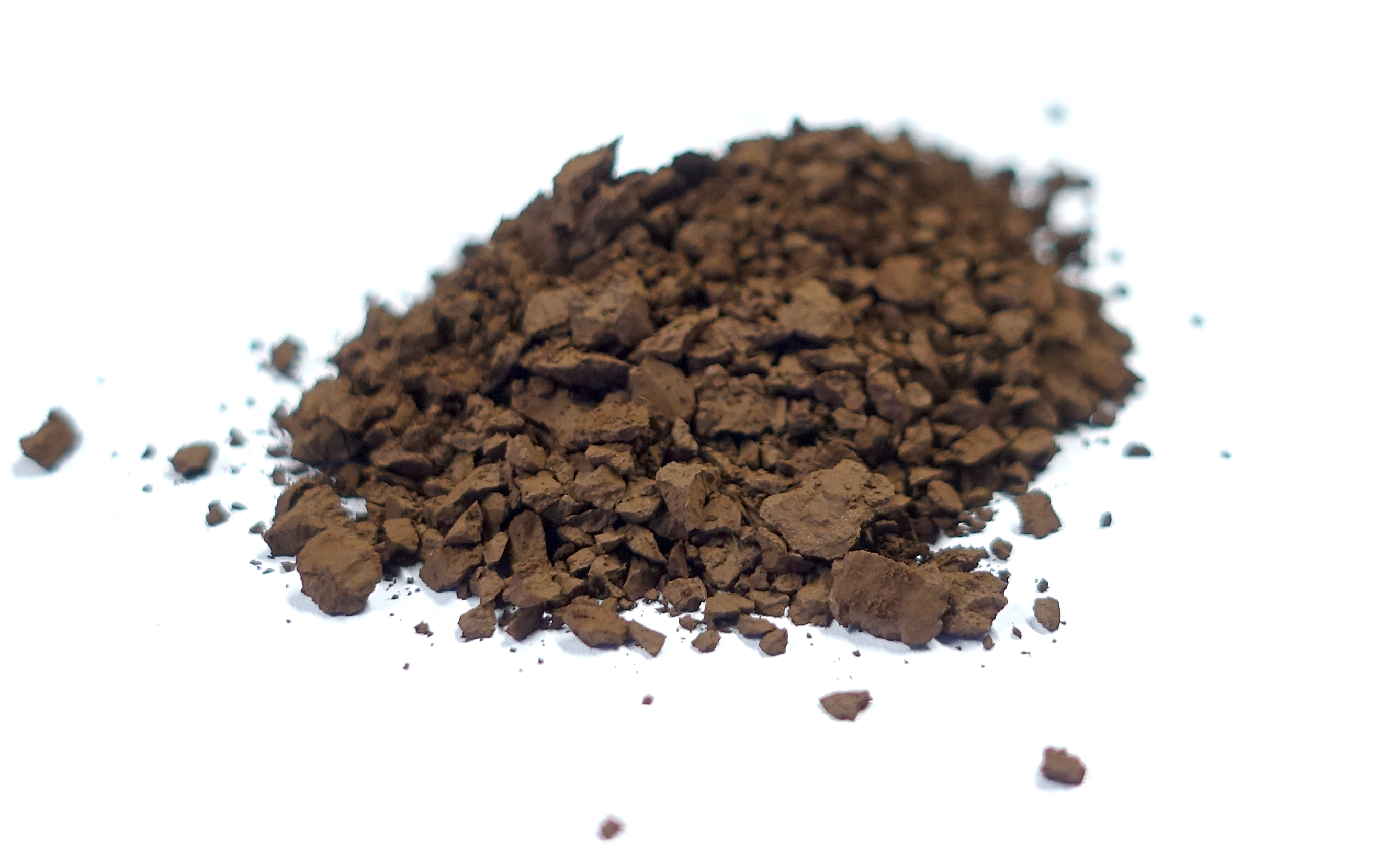
This very pure amorphous boron powder has a very small particle size. Compared to aluminium it theoretically has a much greater energy content, which can be advantageous in appropriate applications (energetic materials). However, since boron is always covered with a layer of boron trioxide , albeit an extremely thin one, the use of magnesium fluoride should be considered. Boron is extremely reactive and reacts very quickly with metals with the exothermic formation of metal borides. However, it is stable in open air.Amorphous boron is primarily used in the following areas:Glass and ceramics Pyrotechnics Gas generators Aerospace technology (ignition device Actuators)Semiconductors Metallurgy Carbide tools Radiation absorbers Signal word: ATTENTION! Danger warnings H302 Harmful if swallowed Safety instructions -